The Subtle Impact of Wrong Placement
How Elemental Imbalance Can Disrupt the Energy of Your Home
Executive Summary
- The five elements in Vastu play a significant role in how a home feels and functions.
- Incorrect elemental placement can subtly influence mood, sleep quality, relationships, and overall wellbeing.
- Many homes that appear visually perfect still feel unsettled due to energetic imbalance.
- Thoughtful Vastu corrections can restore balance without structural changes.
There are moments when a home looks perfect on paper yet feels slightly unsettled once you begin living in it.
Nothing obvious seems wrong. The layout works. The interiors are beautiful. Every design choice appears carefully planned.
And yet something feels off.
Sleep becomes irregular. Conversations feel tense more often than usual. Focus drops. A quiet sense of restlessness creeps in.
Many homeowners assume these experiences are simply part of daily stress. But sometimes the cause lies in something far more subtle.
The placement of elements within the home.
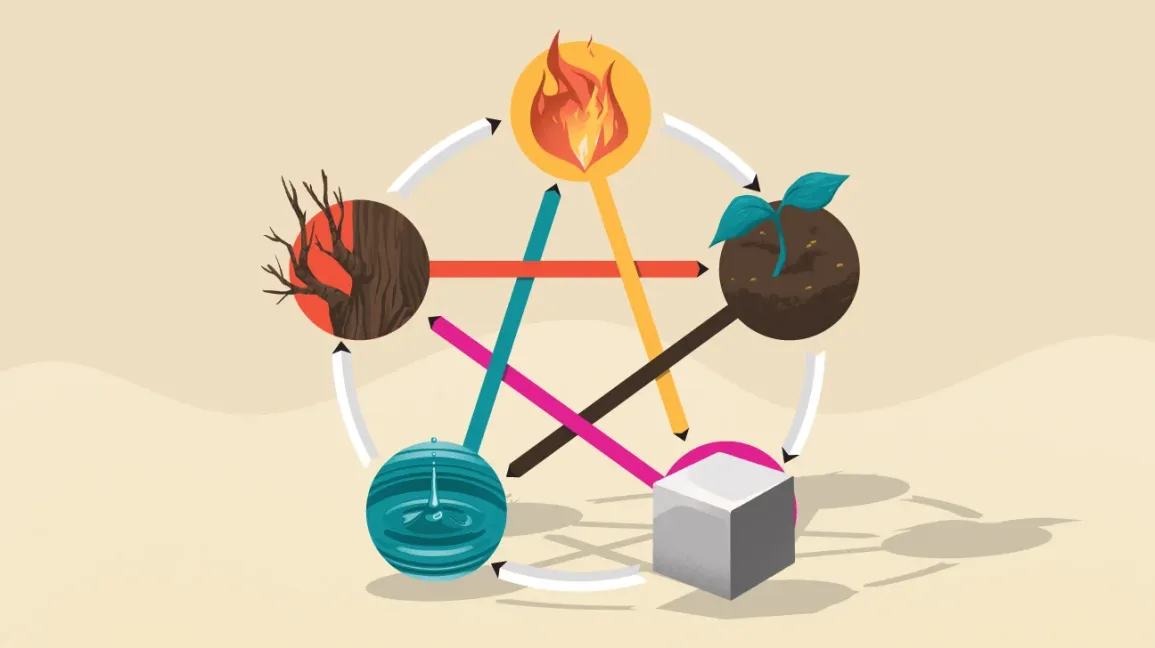
In Vastu Shastra, the balance of the five natural elements plays a quiet but powerful role in shaping how a space feels. Jal, Vayu, Agni, Prithvi, and Akash each govern specific directions and functions within a home.
When these elements occupy conflicting zones, the imbalance can gradually influence both the environment and the people living in it.
When Elemental Placement Conflicts With Direction
Each direction in a home carries a dominant elemental quality. When another element overrides it, the flow of energy becomes disturbed.
This disturbance may not be visible in the physical structure of the home, but its effects can slowly appear in daily life.
Some of the most common examples include the following.
Fire in the North
The northern direction is traditionally associated with financial flow and clarity of thought.
When strong fire energy appears here, often through kitchen placement or electrical dominance, it can create subtle tension in the financial sphere. Some homeowners report payment delays, increased mental stress, or unexpected financial fluctuations.
Water in the South East
The south eastern zone is governed by Agni, the fire element.
Introducing strong water presence in this area can create conflict between opposing energies. This imbalance sometimes appears as emotional instability, recurring disagreements, or digestive discomfort within the household.
Heavy Structures in the North East
The north east is considered the most sensitive zone in Vastu. It relates to clarity, intuition, and spiritual grounding.
When this area becomes weighed down with heavy furniture, storage units, or structural blocks, it may create mental fog, indecision, or a persistent sense of stagnation.
Kitchen in the North East
Placing a kitchen in the north east introduces fire energy into a zone traditionally governed by water and spiritual calm.
This can sometimes reflect in mental restlessness, family stress, or increased irritability among children.
Toilets in the East
The eastern direction represents communication, growth, and intellectual energy.
When this zone contains toilets or drainage systems, some homeowners experience difficulty with communication, networking, or academic focus.
Why Beautiful Homes Can Still Feel Unsettled
Modern interiors often focus heavily on aesthetics, materials, and space planning. These elements are important, but they address only the physical layer of a home.
Energetic alignment operates on a quieter level.
Two homes can appear visually identical yet feel entirely different depending on how elemental energy flows within them.
When Vastu alignment supports the natural direction of each element, the space begins to feel calmer and more supportive. When it conflicts, subtle tension can arise.
Correcting Elemental Imbalance Without Structural Changes
One of the most reassuring aspects of Vastu is that many imbalances can be softened through thoughtful adjustments rather than major construction work.
A few common approaches include:
- Introducing water symbolism or metallic elements to soften excess fire in the north
- Using warm colours or copper accents to rebalance water influence in fire zones
- Clearing clutter from the north east and maintaining openness in that area
- Keeping the central Brahmasthan zone light and unobstructed to maintain overall energy circulation
These adjustments may appear simple, but they often bring noticeable shifts in how a home feels.
When Balance Returns to the Home
When elemental alignment improves, the atmosphere within the home often changes gradually.
The space begins to feel lighter. Conversations become calmer. Sleep improves. Focus returns.
Many homeowners describe the feeling as if the home itself has started breathing again.
This is the quiet beauty of Vastu.
It does not change how a home looks. It changes how a home feels.
Designing Homes That Respect Both Space and Energy
At Tanish Dzignz, interior design goes beyond visual composition. Alongside thoughtful layouts and custom interiors, we consider the energetic alignment of a space.
Across homes in Gurgaon and Delhi NCR, many families seek spaces that feel peaceful, emotionally supportive, and deeply personal.
When design and energy alignment work together, the result is a home that supports the life within it.
Because the most meaningful homes are not just well designed.
They are well balanced.