
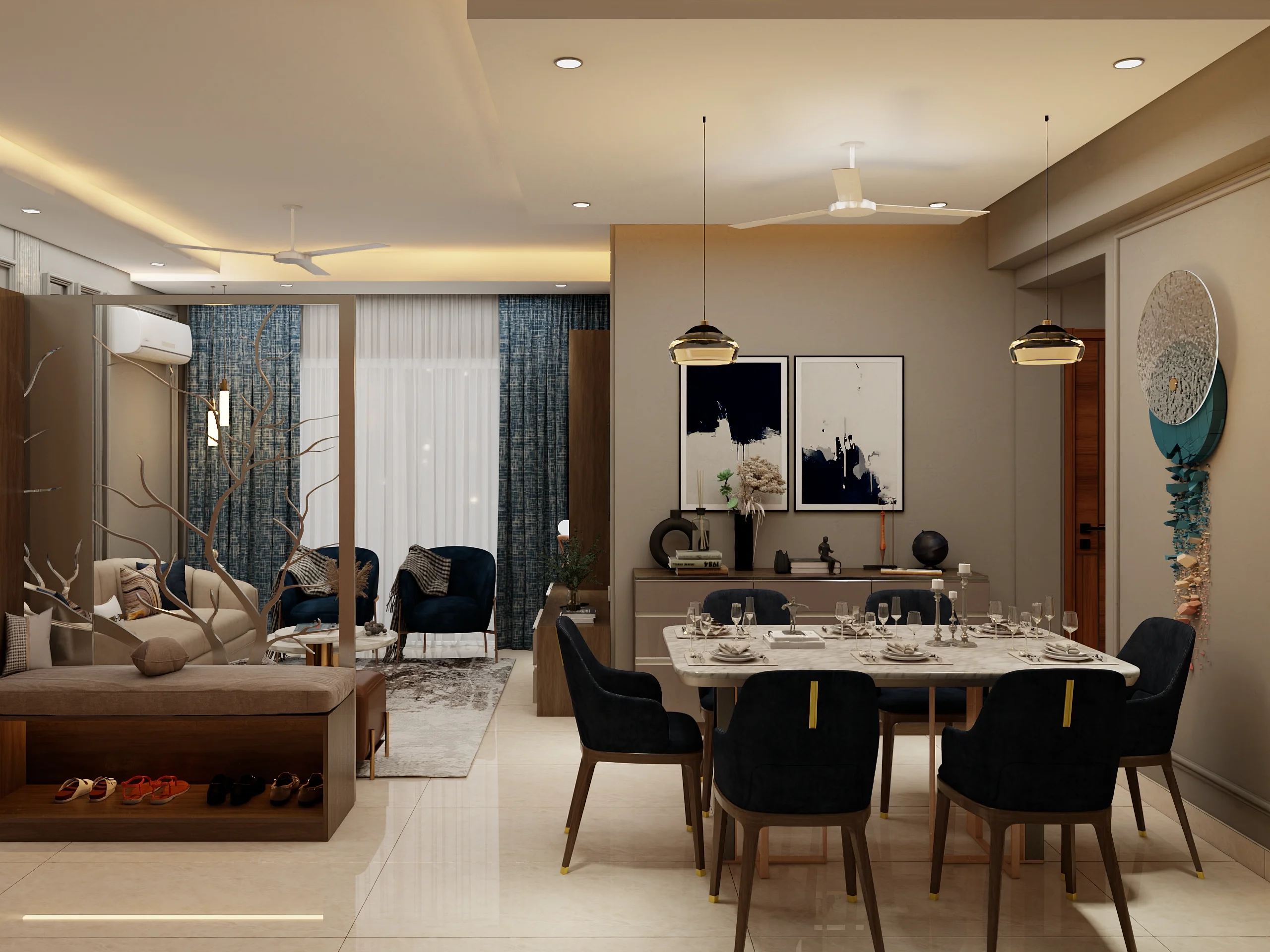
Designing with HeartExecutive Summary
- Sustainable interior design does not have to mean compromising on beauty, comfort or luxury.
- Material selection, energy-efficient lighting, durability and thoughtful sourcing can all contribute to more responsible homes.
- Choosing materials carefully can also support long-term maintenance and reduce the need for frequent replacement.
- Tanish Dzignz approaches sustainable interiors as part of a larger design process that considers lifestyle, quality, longevity and personal values.
Have you ever stood in a store holding a beautiful cushion, piece of furniture or tile sample and wondered, “But how was this made? Is there a better choice I could make?”
That question matters.
When you are designing a home, you are not only deciding how it will look. You are deciding what you want to live with every day, what you want to maintain over the years and, increasingly, what values you want your home to reflect.
For many homeowners, sustainability is part of that conversation. They want beautiful interiors, but they also want to make more thoughtful choices about materials, energy consumption, longevity and what comes into their home.
The good news is that these choices do not have to sit on opposite sides of the table.
Sustainability Can Be Part of Beautiful Design
At Tanish Dzignz, we often meet homeowners who assume that choosing sustainable or eco-friendly options means giving something up.
Perhaps the material will not look as refined. Perhaps the choices will be limited. Perhaps the home will feel less luxurious.
But thoughtful design can approach the question differently.