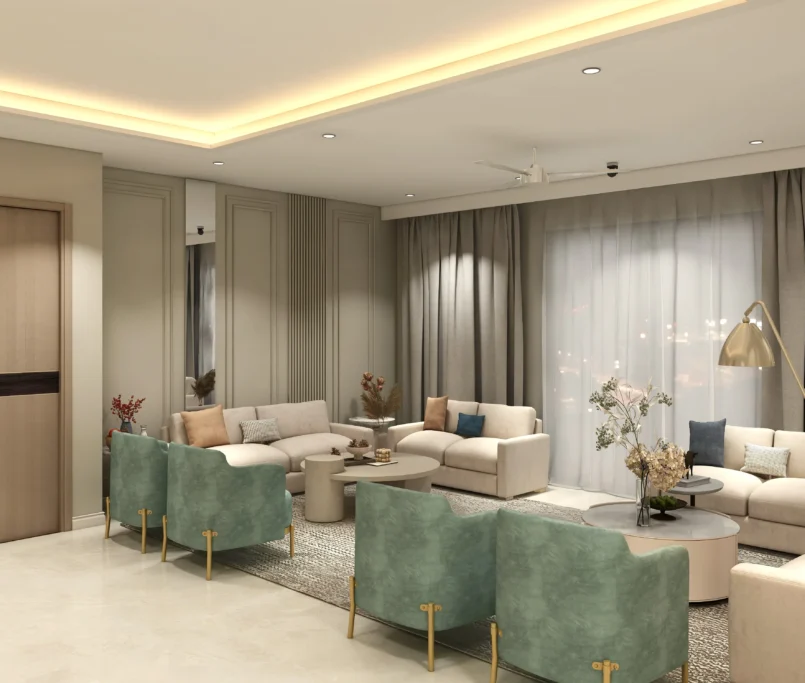
Designing Homes That Celebrate Diversity
Executive Summary
- Homes feel more meaningful when they reflect personal stories, cultures, and lived experiences.
- Generic, trend-led interiors often miss emotional depth and individuality.
- Thoughtful design blends heritage, modern living, and everyday functionality.
- At Tanish Dzignz, every space is shaped around the people who live in it, not a fixed design style.
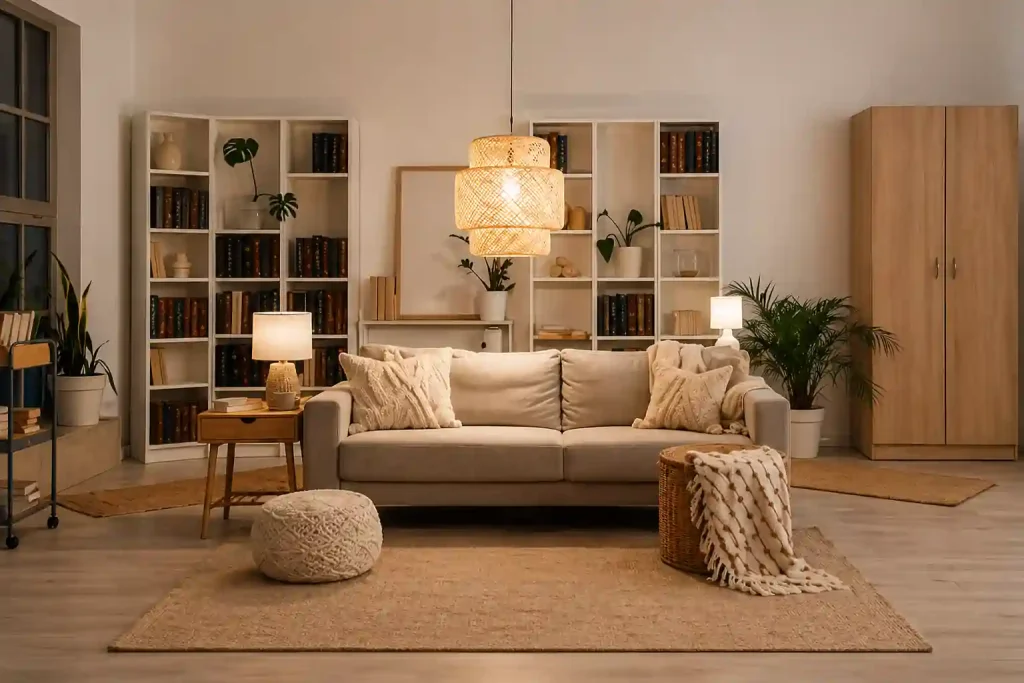
There’s something very subtle about walking into a space that feels layered. Not just visually, but emotionally. You may not immediately notice why it feels different, but there’s warmth, character, and a sense that the home has lived a story.
That feeling rarely comes from trends. It comes from diversity.
Not diversity in a loud or decorative sense, but in the quiet way a home reflects different influences, memories, cultures, and personal choices coming together naturally.
Where It Begins: Personal Experience
Growing up, I didn’t think of design as something structured or defined. It was simply something I felt. I was drawn to differences, different colours, different textures, different ways people lived and expressed themselves. Those early experiences stayed with me.
Later, through travel and time spent in different parts of Delhi, especially older neighbourhoods full of character and contrast, I began to notice how spaces could feel alive simply because they carried multiple influences. Nothing felt forced. Everything had a place.
That understanding slowly shaped the way I began to look at design.
Why Some Homes Feel Complete and Others Don’t
You can walk into two homes with similar budgets, similar layouts, even similar furniture, and still feel a difference.
One feels composed but distant. The other feels natural and welcoming.
The difference is rarely in the materials. It’s in how personal the space is.
When interiors are built purely around trends or a fixed aesthetic, they can start to feel predictable. Beautiful, but detached. Almost like a space meant to be seen rather than lived in.
But when a home carries elements of your background, your travels, your preferences, and even your contradictions, it begins to feel real. It feels like it belongs to someone, not something.
Designing Beyond a Single Style
One of the most limiting ideas in design is the need to follow a single style. Modern, classical, minimal, eclectic. While these categories help organise ideas, real homes rarely fit neatly into one box.
Most people live layered lives. Their homes should reflect that.
You may appreciate clean, contemporary layouts but still feel drawn to handcrafted details or traditional elements. You may prefer calm colour palettes but want one space that feels expressive and bold.
Design works best when it allows these layers to exist together without forcing uniformity.
A Home That Holds Different Stories
I remember working with a family that wanted their home to reflect both where they came from and how they live today. They had a strong connection to their cultural roots but also wanted a space that felt current and easy to maintain.
Instead of choosing one direction, we allowed both to coexist.
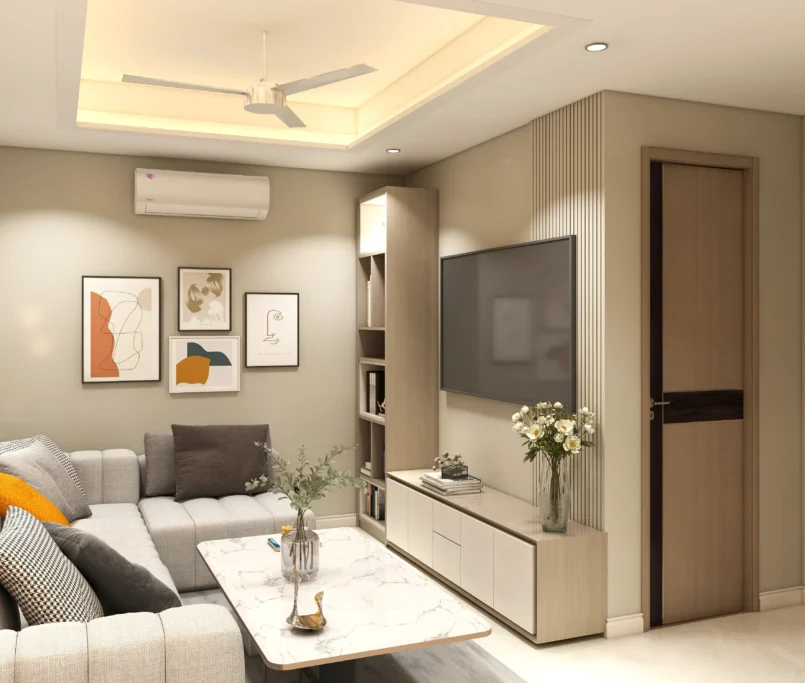
Traditional patterns appeared in subtle ways. Materials carried warmth without feeling heavy. Modern lighting and layout planning ensured the home remained practical and uncluttered. Nothing competed. Everything complemented.
When they moved in, the response was immediate. The space didn’t feel styled. It felt familiar.
And that is always the goal.
What Diversity Looks Like in Design
It’s not about adding more elements. It’s about adding meaning.
This can come through:
- Materials that reflect your cultural or personal connection
- Furniture that is not just selected but chosen with intent
- Colours that resonate with your comfort, not just trends
- Layouts that support how different members of the family live
Diversity in design is not visual noise. It is thoughtful layering.
Why This Matters More Today
Homes today, especially across premium residences in Gurgaon and Delhi NCR, are becoming more detailed and expressive. People are no longer satisfied with spaces that simply look polished. They want homes that feel personal and grounded.
This shift is important.
Because when a home reflects only a design style, it may impress. But when it reflects a person, it connects.
Our work begins with understanding people, not aesthetics.
We look at how you live, what influences you, and what feels natural to you. From there, the design evolves into something that feels layered but still cohesive.
This includes:
- Blending different design influences without creating clutter
- Selecting materials that balance beauty and practicality
- Ensuring the space remains functional for everyday life
- Respecting personal, cultural, and emotional connections
The result is not a themed space. It is a lived-in one.
A Home That Feels Like You
At the end of the day, your home should not feel like it belongs to a catalogue or a trend cycle.
It should feel like it belongs to you.
Not perfectly matched. Not overly styled. Just naturally aligned with your life, your preferences, and your story.
Because the most meaningful spaces are not the ones that follow a single idea.
They are the ones that bring many ideas together, quietly and honestly.
FAQ’s