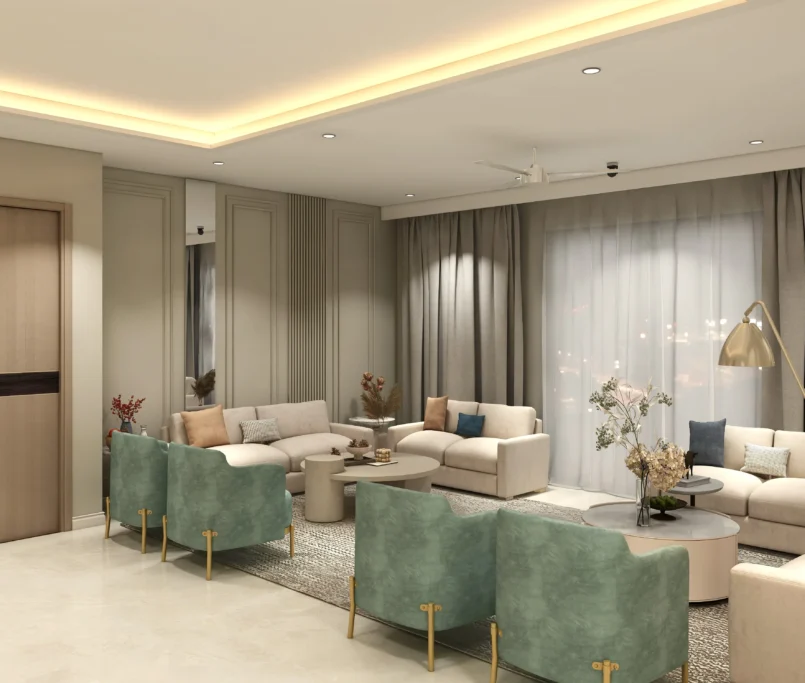
The Kind of Luxury That Grows With You
Designing a Home That’s Gentle on the Planet and Big on Heart
Executive Summary
- Sustainable interiors can deliver both beauty and long-term efficiency.
- Thoughtful material choices and energy-conscious design reduce environmental impact while improving comfort.
- Modern luxury homes increasingly combine aesthetics with responsible construction.
- Tanish Dzignz designs sustainable, low-maintenance interiors for families across Delhi NCR and premium residential communities in Gurgaon.
If you are imagining your future home right now, or perhaps already deep into renovation decisions, there is a question worth pausing for.
Can a home be both beautiful and responsible at the same time?
Many people assume sustainability means sacrificing style, that it involves compromise, limitation, or technical choices that dilute the aesthetic experience of a home.
In reality, the opposite is often true.
When design begins with thoughtful choices about materials, light, energy, and longevity, the home starts to feel calmer, more comfortable, and more meaningful. Sustainability, when done well, does not reduce luxury. It quietly improves it.
When Luxury Starts to Feel Different
The idea of luxury in homes has changed over the years.
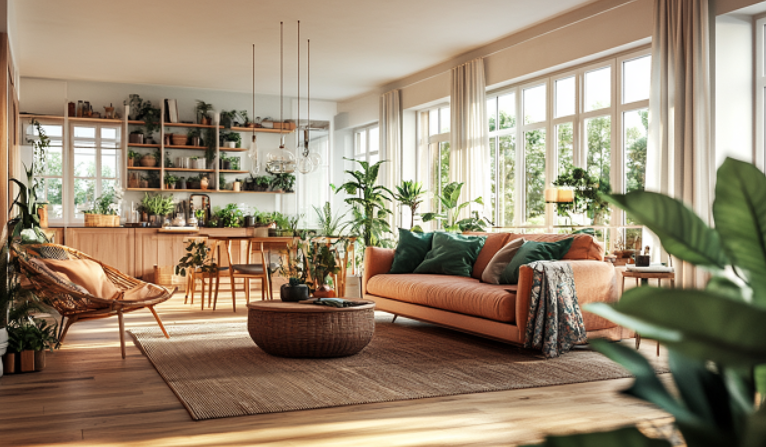
Today, true comfort is not only about marble surfaces or statement lighting. It is about waking up in a naturally lit room that feels fresh without relying heavily on artificial cooling. It is about materials that age gracefully instead of needing replacement every few years.
Luxury begins to feel more personal.
Many homeowners living in premium communities across Gurgaon and Delhi NCR are now asking different questions during the design process.
How long will this material last?
Will this finish handle humidity and weather changes?
Is this choice energy efficient over time?
These questions signal a shift toward homes that are designed not only for visual impact but also for long-term well-being.
A Conversation That Changed a Project
Not long ago, I worked with a couple planning a peaceful weekend home outside the city. Their vision was simple. Natural light, warm textures, and spaces that felt quiet and grounded.
When we began discussing insulation, glazing, and ventilation systems, they initially felt unsure. Their first instinct was to simply add more air conditioning to maintain comfort.
Instead, we explored alternatives together.
We discussed passive ventilation, energy-efficient glass, and insulation that stabilises indoor temperatures throughout the year. Once they saw the long-term benefits, both environmental and financial, their perspective shifted.
The husband smiled and said something that stayed with me.
“So we get a better house and lower energy costs at the same time?”
Exactly.
That is the quiet power of thoughtful design.
What Sustainable Design Really Means
Sustainable interiors are not about limiting design possibilities. They are about choosing wisely from the start.
At Tanish Dzignz, we approach sustainable design through a few key principles.
Material integrity
We select materials that are durable, responsibly sourced, and suitable for the climate. This reduces replacement cycles and unnecessary waste.
Energy-aware layouts
Natural light, cross ventilation, and intelligent spatial planning can dramatically reduce reliance on artificial cooling and lighting.
Health-conscious finishes
Low-VOC paints, toxin-free coatings, and breathable materials improve indoor air quality for families.
Longevity over trend cycles
A well-designed space should remain beautiful and functional for many years rather than requiring constant upgrades.
This philosophy works particularly well in luxury homes, where durability and comfort matter as much as visual elegance.
Why Sustainable Homes Often Feel Better to Live In
When materials age naturally, when light enters thoughtfully, and when airflow works with the structure of the home rather than against it, the space begins to feel calmer.
Many homeowners describe sustainable homes as easier to maintain and more relaxing to live in.
This is especially noticeable in large residences and luxury apartments across communities such as Golf Course Road, DLF Phases, and other premium neighbourhoods in Gurgaon where long-term comfort becomes an important priority.
A sustainable home does not just reduce environmental impact. It improves daily living.
Practical Ways to Bring Sustainability Into Your Home
If you are beginning your own home design journey, here are a few practical considerations that make a meaningful difference.
Ask about material lifespan
Understand how long a material typically performs before replacement.
Choose energy-efficient windows
Double-glazed or energy-efficient glass can significantly improve indoor comfort.
Explore low-VOC finishes
These paints and coatings reduce indoor air pollution and create healthier interiors.
Design with natural light
Positioning windows and reflective surfaces carefully reduces daytime electricity usage.
Think long term
Selecting durable materials often reduces both maintenance costs and environmental impact.
Small decisions made early in the design process often shape the sustainability of a home for decades.
Designing Homes That Care for Both People and Planet
At Tanish Dzignz, we believe the most meaningful homes are the ones that grow gracefully with the families who live in them.
Across villas, luxury apartments, and premium residences in Delhi NCR and Gurgaon, our goal is to create interiors that balance elegance with responsibility.
Because when design respects both people and the environment, the result feels deeper than decoration.